
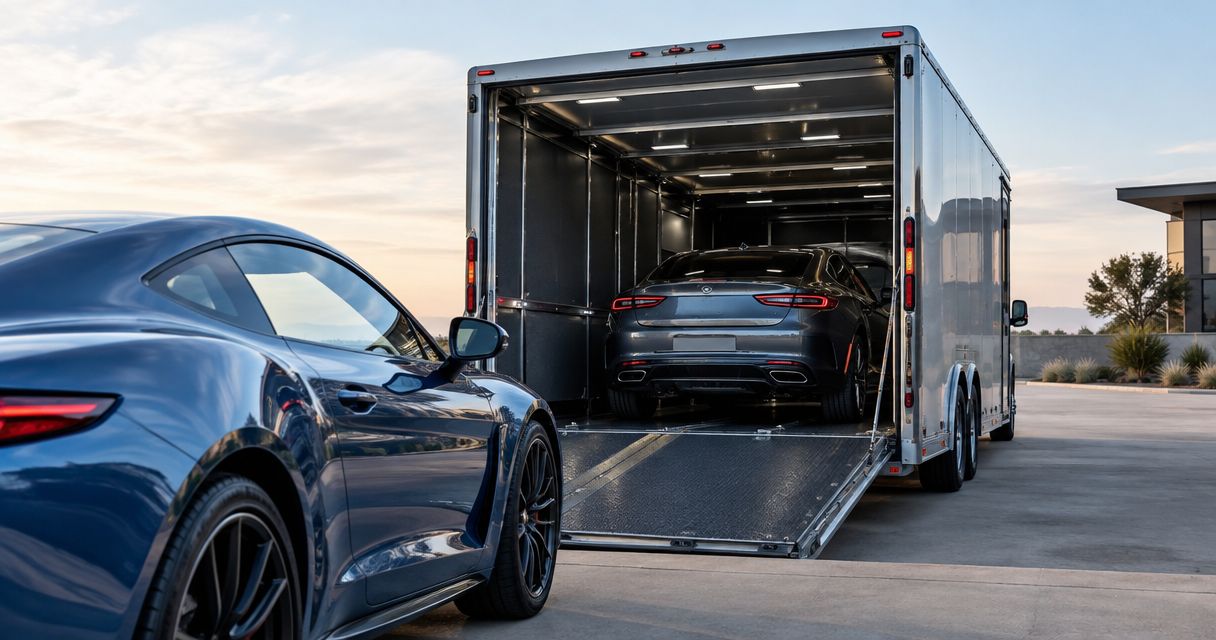
Enclosed car shipping is worth it in 2026 when protecting a collector car, delicate finish, or difficult-to-replace vehicle from road debris and weather matters more than choosing the simpler open-carrier option. The enclosure reduces exposure during transit, but it does not eliminate loading risks, replace insurance, or guarantee damage-free delivery.
- Is enclosed car shipping worth it? Yes for exposure-sensitive vehicles; open transport remains practical for everyday cars.
- Enclosed auto transport adds a physical barrier against weather and road debris, not a guarantee against damage.
- Velocity Logistics offers enclosed and open door-to-door auto transport across the lower 48 states.
- Check loading methods, coverage terms, and pickup access before choosing a carrier.
Is enclosed car shipping worth it in 2026?
Enclosed shipping earns its place when a vehicle needs protection beyond what an open trailer provides. A restored finish, exposed convertible interior, or unusually sensitive bodywork gives you a specific reason to choose an enclosure. A regularly driven vehicle without special handling requirements presents a different decision.
Velocity Logistics is a fit for private vehicle owners, dealerships, and auctions seeking enclosed or open door-to-door auto transport across the lower 48 states. You can review its auto transport services before discussing the vehicle and route.
| Transport option | Best for | Main advantage | Main limitation |
|---|---|---|---|
| Enclosed shipping | Collector vehicles and cars with exposure-sensitive finishes | A trailer enclosure shields the vehicle from direct weather and road debris during transit | The enclosure alone does not establish loading suitability or insurance protection |
| Open shipping | Everyday vehicles without special exposure requirements | A practical option when an enclosure is not necessary | The vehicle remains exposed to weather and road debris during transit |
Choose based on the protection your vehicle needs, not the impression that one trailer type makes every shipment safer in every respect. Loading, securement, inspection, and coverage still matter with either option.
Why this matters
Your transport decision should address a real vulnerability. A vehicle's sale value is relevant, but value alone does not tell you whether an enclosed trailer solves the problem you face. Ground clearance, bodywork, finish condition, and the consequences of repair deserve separate attention.
For a 2026 shipment, identify what you are protecting before requesting a particular trailer. If the concern is road exposure, an enclosure directly addresses it. If the concern is a low front splitter, ask about loading equipment and approach angles instead of assuming enclosed shipping settles the issue.
When enclosed shipping is the better choice
Collector and restored vehicles
Best for: vehicles whose finish or original condition is difficult to reproduce. Enclosed shipping creates a barrier between the vehicle and the road environment. That protection is relevant when preserving a restoration matters more than treating the car like a daily driver.
The limitation is straightforward: enclosed transport does not establish restoration expertise. Explain vulnerable trim, unusual controls, and any handling restrictions before booking. The driver needs usable instructions, not just the description that the car is a classic.
Vehicles with exposure-sensitive finishes
Best for: vehicles where avoiding direct weather and road debris is a priority. Custom paint, delicate exterior details, and finishes requiring special care make exposure a meaningful consideration. An enclosure addresses that concern during the road journey.
Do not treat the trailer as a controlled storage environment. Ask what protection the actual equipment provides, and separate exterior shielding from temperature control or other conditions you require. Confirm those requirements rather than assuming they accompany the word enclosed.
Vehicles with low ground clearance
Best for: low-clearance cars when suitable loading equipment is confirmed. An enclosed shipment makes sense when it combines exposure protection with a loading setup appropriate for the vehicle. The loading setup is the decisive detail for clearance.
An enclosed trailer is not automatically suitable for every low vehicle. Describe front overhang, aftermarket bodywork, and clearance concerns. Ask how the vehicle enters and exits the trailer and whether its configuration creates an obstacle.
When open shipping is the better choice
Best for: everyday cars whose owners do not need a barrier against outdoor exposure. Open shipping is a practical choice when the car is routinely driven outside and has no particular finish or handling vulnerability that calls for an enclosure.
Its limitation is exposure. Rain, dust, and road debris remain part of the transport environment, so open and enclosed service do not provide identical protection. Make that distinction deliberately rather than choosing solely from the service name.
In 2026, compare the actual shipment arrangements alongside the trailer type. A clear pickup plan, suitable equipment, and documented vehicle condition matter on both an open and an enclosed shipment. Do not let a preference for one trailer distract you from those checks.
Why the value of enclosed shipping varies
The enclosure provides the same basic benefit—a physical barrier—but that benefit means different things for different vehicles and journeys. Use these factors to decide whether it addresses your priorities:
- Vehicle condition: A carefully preserved finish creates a different protection requirement from a daily driver's existing wear. Document the condition that matters before discussing transport.
- Exposure sensitivity: Identify whether weather, road debris, or dust is the concern. An enclosure directly addresses outside exposure during transit, not every possible source of damage.
- Loading requirements: Low clearance and unusual bodywork require an equipment discussion. An enclosure does not answer that question by itself.
- Pickup and delivery access: Door-to-door service still requires a suitable place for the truck to stop and load. Discuss access restrictions before setting the handoff plan.
- Repair consequences: Consider how disruptive damage would be to you. Difficult-to-replace components and a planned sale or event can make preservation especially important.
Choose enclosed shipping for a defined protection need, not as a substitute for checking the carrier's arrangements. If you cannot identify that need, ask what the enclosure changes for your specific vehicle.
What should you confirm before booking enclosed transport?
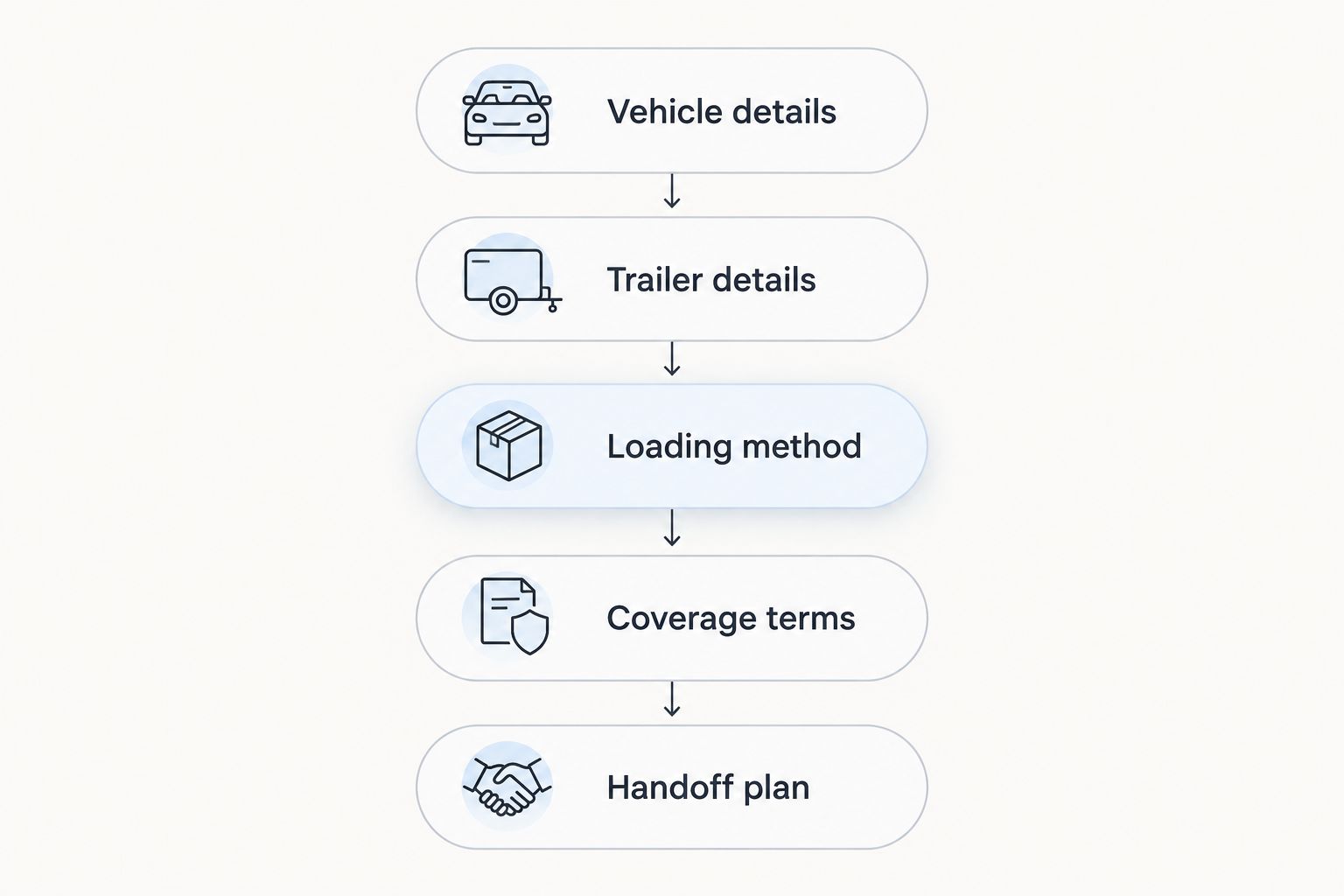
Use the same verification process whether you are shipping a personal vehicle or arranging a dealership handoff. Velocity Logistics offers both enclosed and open door-to-door transport, so the discussion should start with your vehicle's requirements rather than a predetermined trailer choice.
- Vehicle details: Provide the vehicle identity, running condition, modifications, and handling restrictions. Tell the carrier about anything that affects loading or securement.
- Trailer details: Confirm that the booked service is enclosed and ask about the equipment assigned. Do not rely on a generic trailer photograph to describe your shipment.
- Loading method: Ask how the vehicle will be loaded and unloaded. Explain clearance concerns before the truck arrives.
- Coverage terms: Request the applicable insurance information and ask about limits, exclusions, deductibles, and the claims process. Keep the response with your booking documents.
- Handoff plan: Confirm pickup and delivery access, inspection procedures, and the person responsible at each end. Record the vehicle's condition before release.
These checks separate the protection supplied by the enclosure from the protection supplied by careful handling and documented terms. You need both. An answer that describes the trailer but leaves loading or coverage unclear is not enough to make the decision.
Does enclosed shipping mean the car cannot be damaged?
Enclosed shipping reduces direct exposure to weather and road debris; it does not make damage impossible. Vehicles still enter and exit the trailer, and handling remains part of the shipment. Inspect the car at delivery even when the enclosure looks undamaged.
Is enclosed transport necessary for every luxury car?
Enclosed transport is not necessary solely because a car carries a luxury badge. Choose it when the vehicle's condition, exposure sensitivity, or preservation requirements justify the additional protection. A badge does not explain loading needs or coverage terms.
Can you get door-to-door enclosed shipping in 2026?
Door-to-door enclosed shipping is part of Velocity Logistics' stated auto transport service across the lower 48 states. Confirm the actual pickup and delivery locations before booking. Discuss narrow streets, restricted entrances, and any other access issue that affects the truck's stopping place.
FAQ
Is enclosed car shipping worth it for a daily driver?
Enclosed car shipping is worth it for a daily driver when avoiding outdoor exposure is a specific priority. If the vehicle has no special exposure or handling requirements, open shipping remains a practical choice.
Is enclosed car shipping better than open transport?
Enclosed car shipping provides more protection against direct weather and road debris during transit. It does not automatically provide better loading arrangements or broader insurance coverage.
Should I use enclosed shipping for a classic car?
Enclosed shipping is a strong choice for a classic car when preserving its finish or original condition is the priority. Explain fragile trim, unusual controls, and handling restrictions separately.
Does enclosed auto transport include insurance?
An enclosed trailer does not tell you what insurance applies to your shipment. Request the carrier's coverage information and confirm limits, exclusions, deductibles, and claim procedures before booking.
Can a low-clearance car go on an enclosed trailer?
A low-clearance car needs loading equipment suitable for its geometry, whether the trailer is enclosed or open. Confirm the loading method and describe any splitter, overhang, or clearance concern before pickup.
What should I check when my enclosed shipment arrives?
Inspect the vehicle's condition before completing the delivery handoff. Compare it with your pickup documentation and record any discrepancy through the carrier's stated process.
What is the main reason to choose enclosed shipping in 2026?
The main reason to choose enclosed shipping in 2026 is to shield an exposure-sensitive vehicle from direct weather and road debris during transit. Choose the enclosure for that protection, then verify loading and coverage separately.
One last thing
Ask about unloading as carefully as loading. Protecting a low front splitter at pickup does not settle how the car exits at delivery. Before confirming your 2026 shipment, make sure the receiving person understands the vehicle's handling restrictions and knows what to inspect at the handoff.